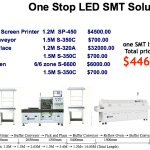
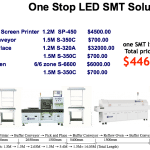
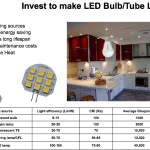
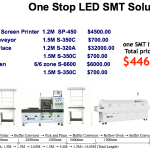
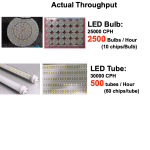
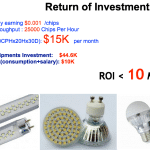
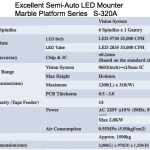
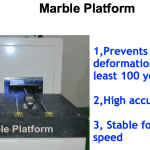
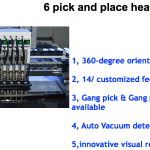
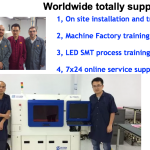
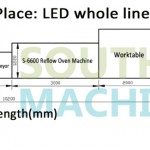
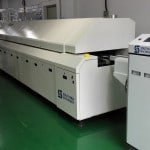
The factest way to improve production capacity-S-520A whole line slution

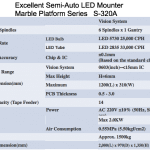
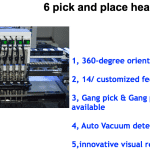
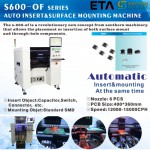
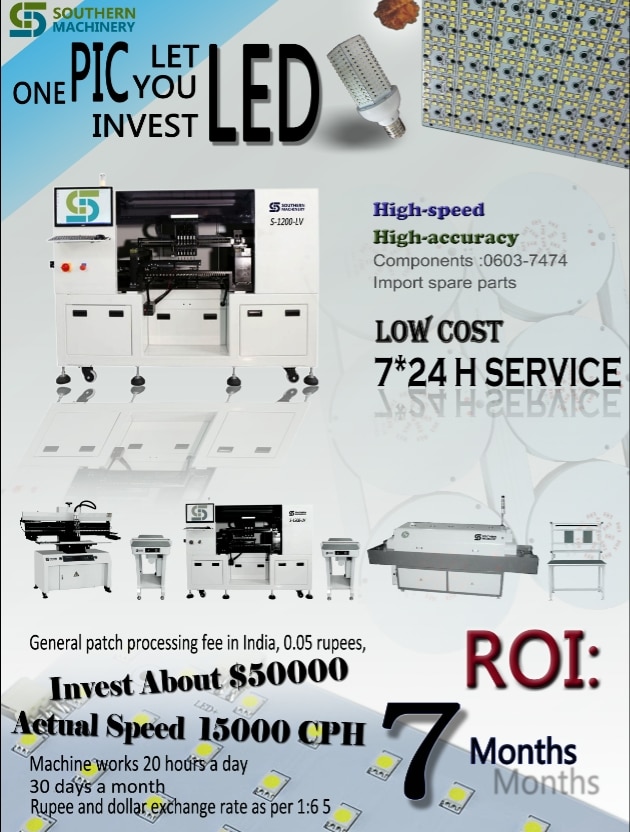
S-520A pick and place machine for whole line solution

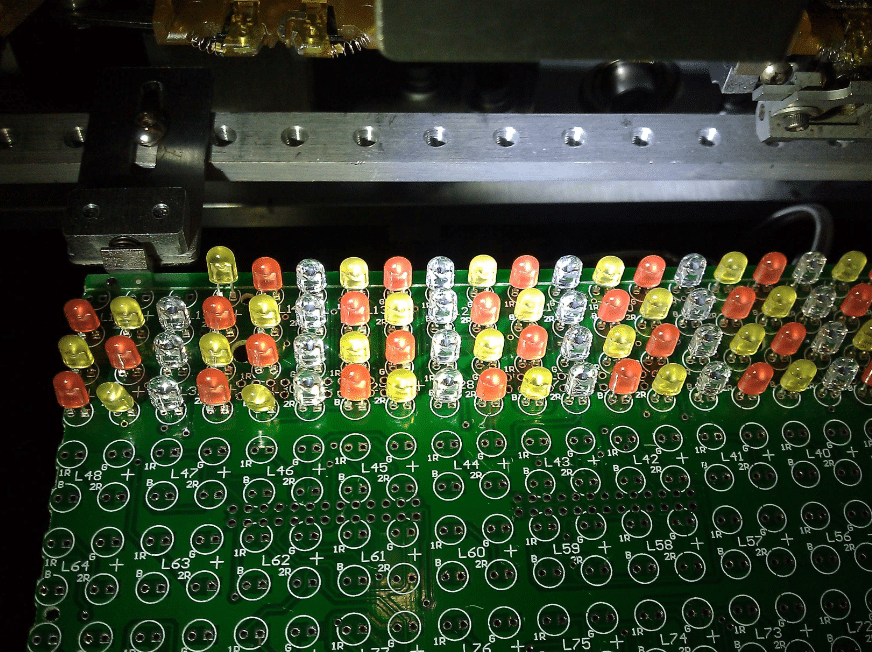
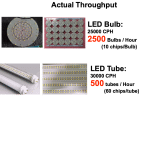
• Practical placement speed to 35,000 cph for
LED tube light.
• Max board length of 1200 mm.
• Assembles LED tube boards, flexible LED strips
and circular LED light bulb boards
• Places LED components from 0603 to 7474,
including both standard and irregularly shaped
LEDs.Available for different kinds of SMD
components of 0402,0603 and so on.

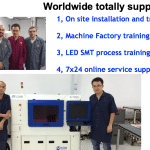
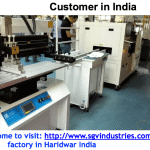
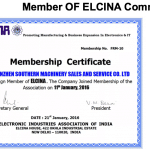
Southern Machinery-AI and SMT machine/Accessaries/ELCINA member

Dedicated to provide customers with one-stop service, research and development, production, testing, sales, after-sales service, provide the whole line  sales and service .
According to the needs of customers, with our professional technology to provide customized service.
 
1.PCB AI/SMT Equipment Manufacture.Offering comprehensive solution in AI/SMT Technology
2.For different components process insert /Pick& Place , like Radial and Axial components ; odd form components (Rivet,Pin,Switch,Connector,Terminal and so on
);SMD LED components (0402-7474 SMD components, 15mm IC, and different capacitance,resistance,IC,QFP,SOP,SOT,CSP and so on.)
3.To meet the needs of different industries
(1)Electrical industries appliances:Air conditioner, Television, Microwave, Electric cooker, Electric kettle, Induction cooker etc.
(2)Power supply appliance: Vehicle power supply, Energy saving power supply, Ballast etc.
(3)LED application:LED lighting, LED display, LED lights, LED control systems, LED luminous characters.
(4)Vehicle industries application: Vehicle power supply, Vehicle light, Car audio etc.
(6)Energy saving lighting industries application: Industrial lighting, outdoor lighting, street lamp, floodlight etc.
(7)Other electronic industries application: Electronic watch, Electronic Instrument, electronic spare parts etc.
4.AI/SMT spare parts of different brand machine .
With the original drawing to provide high copy spare parts , To a large extent save much cost for customer ,and keep the spare parts life.
5.Have the most extensive contacts network, for customers to find all kinds of second-hand accessories.


PastedGraphic-10

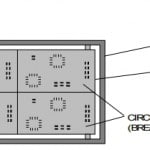
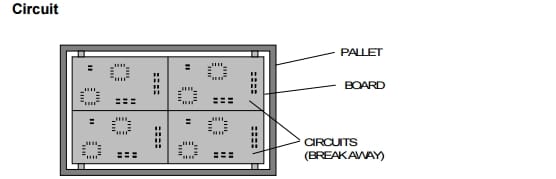
1 picture show you what is printed circuit boards (PCBs) for Electronice Manufacturing SMT

The single moveable unit that is populated with components. Includes printed circuit boards (PCBs) and substrates. See also circuit, pallet

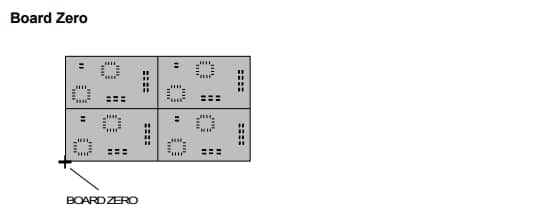
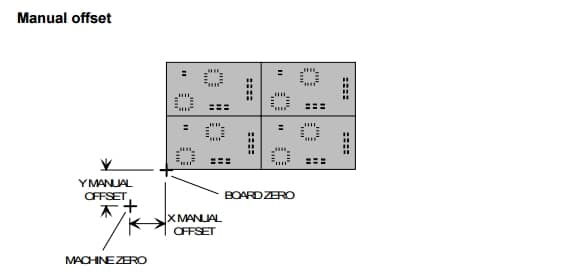
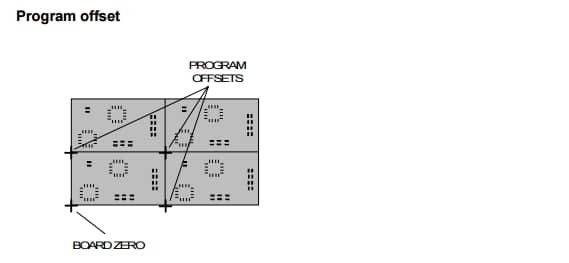
A reference point on a board from which all board coordinates are measured. Usually lower left corner of board, but can be anywhere on the board

Smallest functional unit that is populated with components. A board can consist of several circuits. See also board, pallet

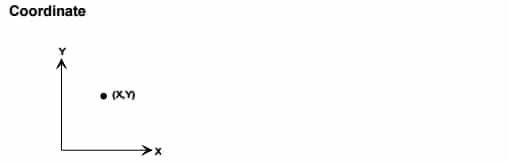
A dimension that defines the location of a point on a surface. A coordinate is measured from the right angle intersection of two lines. This is known as a Cartesian plane. The horizontal line is called the X axis, and the vertical line is called the Y axis. Coordinates are always displayed with the X coordinate first followed by the Y coordinate (X, Y). Typically on SMT equipment as viewed from the front, X is left to right, and Y is front to back

The distance between machine zero (known reference point on a machine) and board zero (known reference point on a board)


The distance between the board zero point and a reference point on a repeating circuit

Pallet Rectangular frame-like device used to carry a board (often odd shaped) through the assembly process. Also used to provide a common board transport width through the assembly line. See also board, circuit

Six things: Make You Know The Basics about SMT Production

Surface Mounted Technology (SMT) is one such approach that works by mounting the circuit components directly onto the printed circuit board resulting into what is called a surface mount device. This is a common replacement for the traditional soldering into holes in a circuit board since it results to tightly squeezed and versatile builds.

There are some important things to know before venturing into SMT
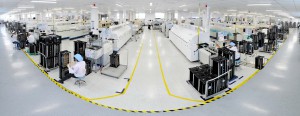
生产车间

1.The procedure to doing the job

A specially designed printed circuit board is needed for the job.  In automated placement, components to be added to the circuit board are placed onto the PCB by pick-and-place machines before the board is placed in a reflow soldering oven, which slowly and uniformly raises the board’s temperature until the thin film of solder material melts and clamps the components into place. The function of the reflow oven varies depending on the design concerns with the most common being infrared lamps, hot gas convection and use of special fluorocarbon liquids.

2.Tools needed for the job

To achieve the desired environment in SMT production, you have to use the right tools that depend on the precision of the job you do. The choice of tools, board material and ovens, you have to determine the design of your circuit before making the call. The tools used in an SMT procedure dictate the success or failure of product.

3.Advantages

The bright side of SMT assembly lies in the fact that these techniques can handler smaller components and achieve higher component density. With the option to solder onto both sides of the board and lower induction and induction at the contacts, this technique is the solution to creation of highly integrated circuits that are on high demand, as miniaturization of components becomes the order of the day.

IMG_3137

4.Disadvantages

On the other hand, problems come with the SMT manufacturing. For instance, the techniques makes repair difficult in case the equipment needs to have some components replaced, SMT components do not work with plug in breadboards, is unsuitable for high power components like electric circuits and is not a good way of creating contacts for connectors that interface with outer world hence subject to frequent mechanical stress.

5.SMT Production does not work in all cases

It is important to know that SMT does not support all types of applications in a circuit. While the technology is right with most of the tasks that traditional soldering can address, it cannot handle some special cases. For instance, the soldering of transformers and mounting of heat sinks must be done the traditional way if at all these components has to work properly.

6.Analyze your market and learn the legislations governing the market

Before venturing into SMT manufacturing, you have to be sure that you have the demand. SMT equipment has very high capacity and requires trained personnel and engineers. You have to weigh the market to ensure that you do not invest in hardware that will lie to waste in a ware house waiting for meager contracts in on and off basis.

Finally, you must understand that there are some conventions set up by different quality management firms to ensure that equipment delivered to the market are up to standard. To remain on the safe side of the law and other regulations, ensure that your operations remain legal and top quality to maintain your reputation in the market

If you want to know more about SMT whole line ,such as picture ,video and ppt .You can contact  me .

Email :quella @smthelp.net

Skype :fan19920311
PCB Assembly

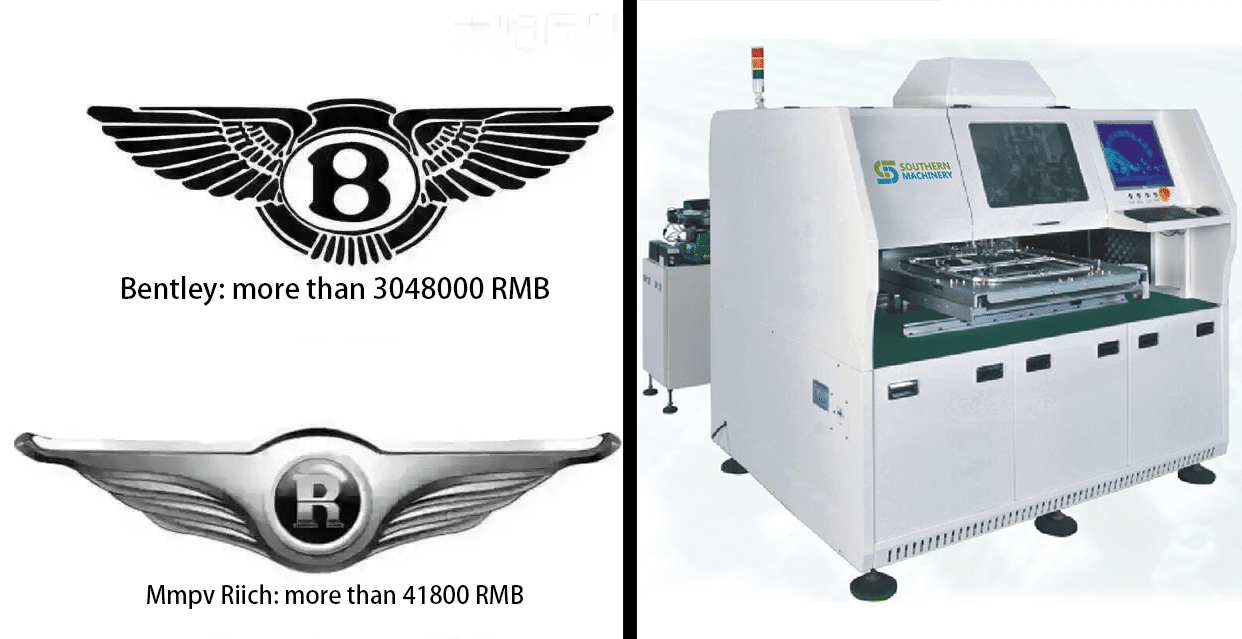
What on earth decide the price?

Often some customers asked: how do your price so expensive, and others are so cheap, it is shown in figure, the same but vary widely, the era of cheap has ended, and a points the price is a goods, to the low price is not necessarily don’t earn money, also not necessarily price is high profits, because all the products on the market, there are 3,6,9 points,  the original cost is the final price guide!
AI spare parts、Universal Parts,UIC,TDK.VCD Sequencer.SMT,THT,PCB,PCBA,AI,wave soldering,reflow oven,nozzle,feeder,wave soldering,PCB Assembly, LED, LED lamp, LED display

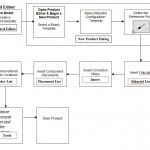
10 steps to Create a new product using the flowchart as a guide for PCB assembly
1. Create a PCB board template.

2. Create a product. Select a board template.

3. Assign a machine configuration to a product.

4. Define the reference point of a product.

5. Insert fiducials in the fiducial list.

6. Insert correction steps.

7. Add components to the placement list.

8. Optimize feeders and placement sequence via the throughput optimization aid.

9. Simulate the product using the performance simulator.

10. Export the product to run on the Platform machine or split the product with Line Balancer.