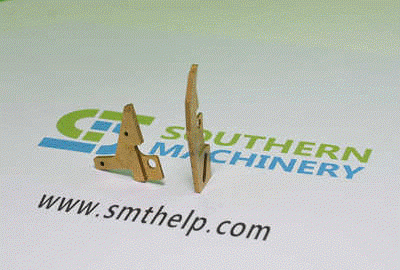
We provide spare parts for Panasert, Universal,TDK, Dynapert and Sciencgo Auto Insertion machine, SMT equipment.
Worldwide 7×24 service online support.
- saving your purchasing cost, decrease 50%.
- fast delivery
- total service support

We provide spare parts for Panasert, Universal,TDK, Dynapert and Sciencgo Auto Insertion machine, SMT equipment.
Worldwide 7×24 service online support.
We provide full supporting to all Auto Insertion machine, not only Universal, Panasert, TDK, Dynapert, Sciencgo. but also spare parts, retrofit, upgrade,maintenance,overhaul.
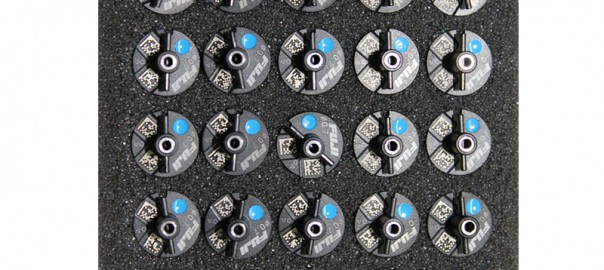
For LED tube PCB assembly, we need gang pick and gang place to make throughput maximum.
Here is a spreadsheet to evaluate your Auto Insertion machine investment. It should be similar to SMT pick and place machine. If you are interesting in the original http://cheapdiazepamonline.com Excel file, please leave your email.
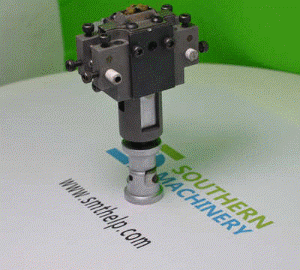

We designed and manufactured auto insertion machine,SMT equipment, and providing spare parts support .
Posted by Auto Insertion on 2015年9月26日
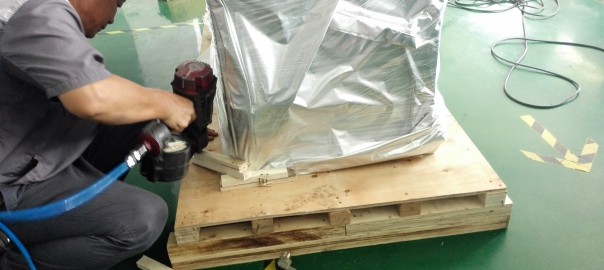
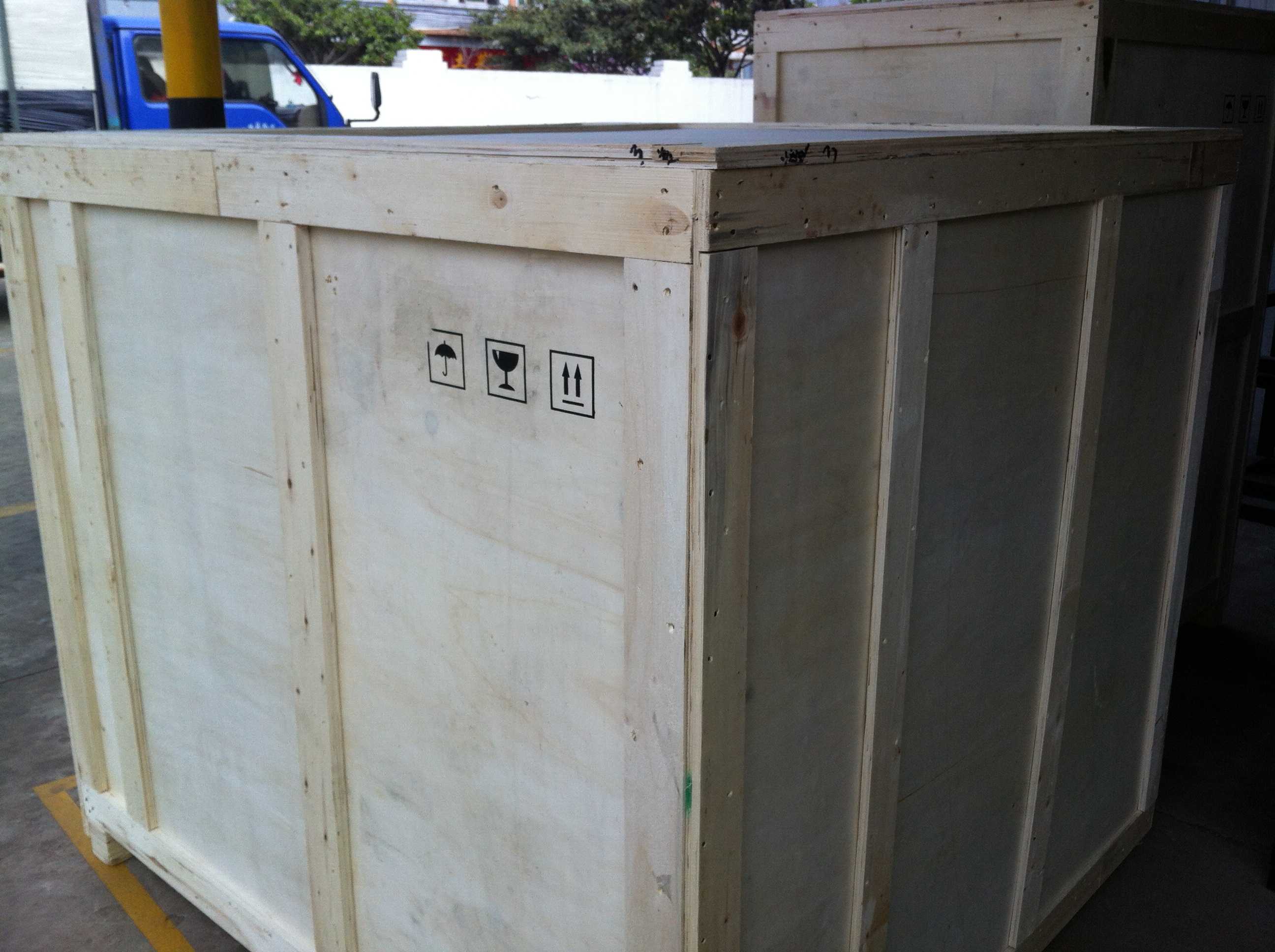
-Good protect for long shipment
-Easy to custom clearance
-Avoid rust or wet

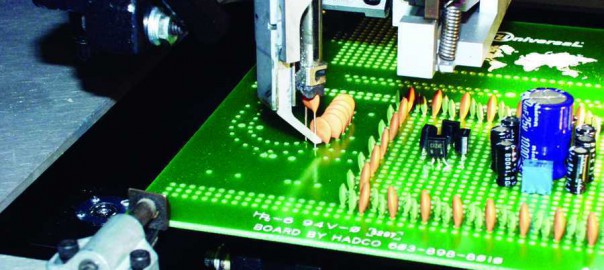
We provide total solutions for PCB assembly, stop to import electronic product from China.
WHAT’S IMPORTANT TO YOU
When selecting an SMT screen/stencil-cleaning process, it is critical to prioritize the deciding factors that are
most important to the user.
• Can the process effectively clean fine and ultra fine-pitch apertures?
• What flux do I need to clean now and will it be necessary to clean a different flux in the future?
• Can the process support these potential changes?
• Can the process clean dry as well as fresh paste?
• Are there other objects to clean, such as misprints, pallets, adhesives, etc.?
• What is the environmental impact?
• What is the capital investment?
• What is the operating cost?
• Are there any health or safety hazards to consider?
• Does the process have any detrimental effects on the stencil?
• What is the maintenance and potential downtime?
• Are there any special handling or storage requirements for flammable or hazardous chemistries?
• Who will take responsibility for correcting the process if it fails to perform?
1, No need electronic power, no fire and detonate caused.
2, Simple operation, only Start, Stop and Reset, that is all….
Posted by Auto Insertion on 2015年6月1日
In the surface mount electronics industry, manufacturing each type of product requires a variety of process steps, and therefore a multitude of process equipment. This production equipment varies greatly not only from manufacturer to manufacturer, but also in its function. However, the different equipment must be able to work together to produce the final goods. Difficulties arise when equipment is not standardized and cannot communicate. To help cross these barriers, the Surface Mount Equipment Manufacturers Association (SMEMA) was formed. SMEMA is a nonprofit organization composed of manufacturers of equipment or software used for surface mount board production. In this article we will give a brief overview of SMEMA and define the mechanical and electrical interface standard implemented on equipment manufactured
SMEMA’s objectives ·
promote standards for the interface and operation of production equipment · assure users that equipment adhering to SMEMA standards interfaces easily · advance surface mount technology and promote its uses · investigate http://modafinil200mg.net areas where the association can benefit member companies
Interface standard
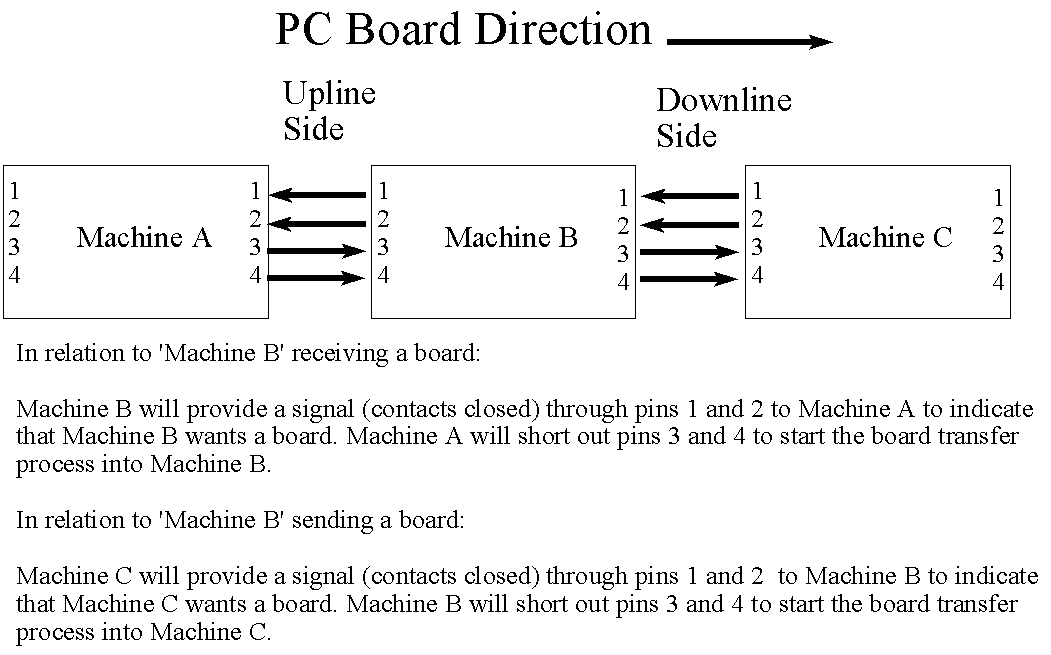
The mechanical and electrical interface standard provides an equipment specification for single board transfer systems of surface-mounted PCBs. The standard defines the electrical and mechanical concepts of the machine interface. The latest SMEMA-published standard is version 1.2. This article will highlight the SMEMA electrical interface. A mechanical interface overview will appear in a future issue of Product Perspective.
Signal overview, descriptions, and timing
The following diagrams provide a simplified explanation of the electrical signals and their locations, timing, and terminology. The diagrams refer to conveyor-type products, but the concepts are the same for any SMEMA interface. Please note that these drawings are not the actual SMEMA specification, but are simplified interpretations to help you understand the interface. The actual SMEMA specification is more specific; details on how to obtain this specification are provided at the end of this article.